3L Hardshell Jacket: The New Standard for Outdoor Layers
Packable shells and 3-layer constructions that cut freight volume and elevate end-user comfort. See how 2L and 3L compare before you spec.
Read the guide →
Fabric innovation, compliance updates and style direction for outdoor apparel and hi-vis workwear programs — written from the production floor, not a trend agency deck. What EU & US buyers are specifying for upcoming seasons.
Fabric innovation, compliance updates and style direction we are developing for upcoming seasons.

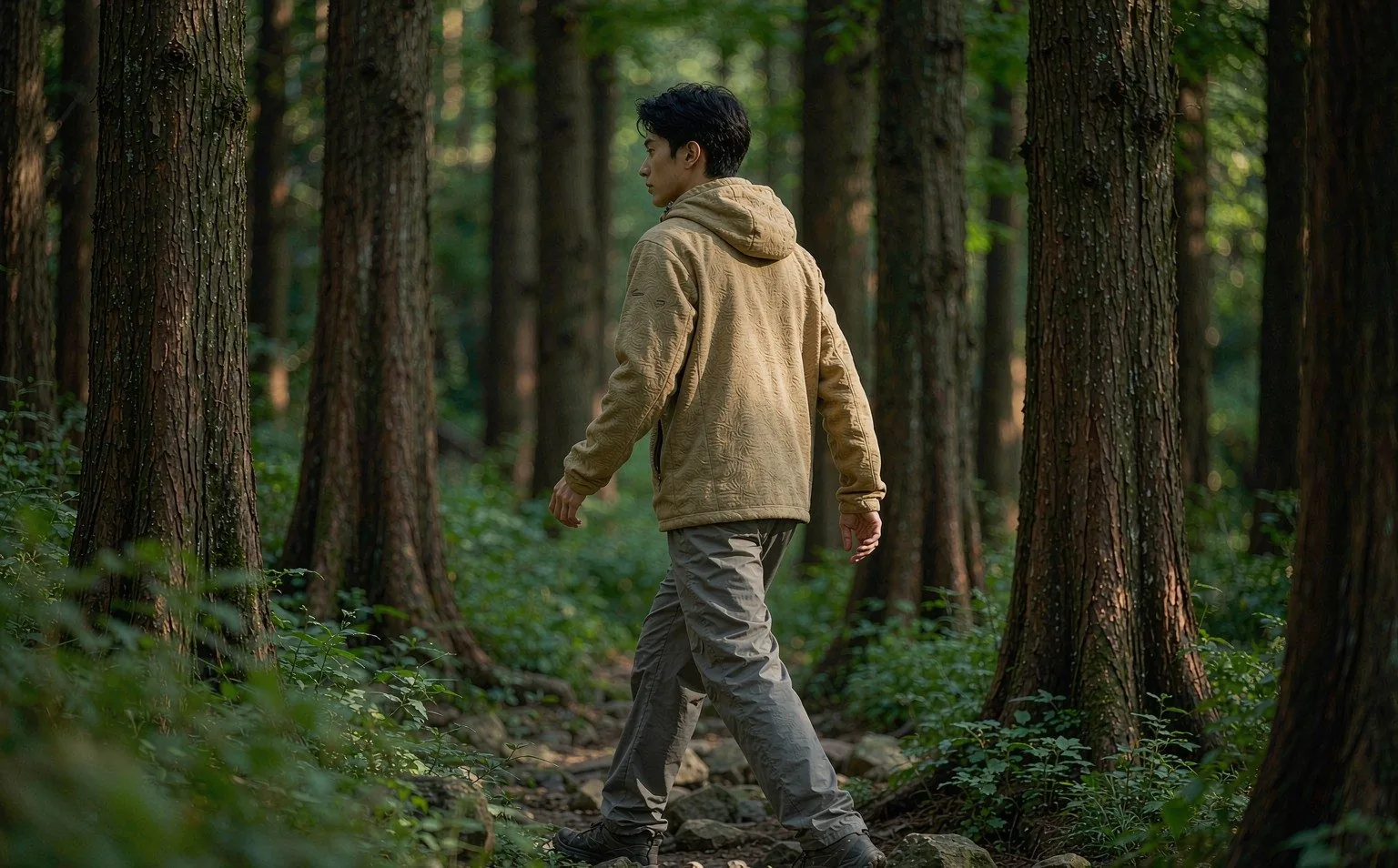
Packable shells and 3-layer constructions that cut freight volume and elevate end-user comfort. See how 2L and 3L compare before you spec.
Read the guide →
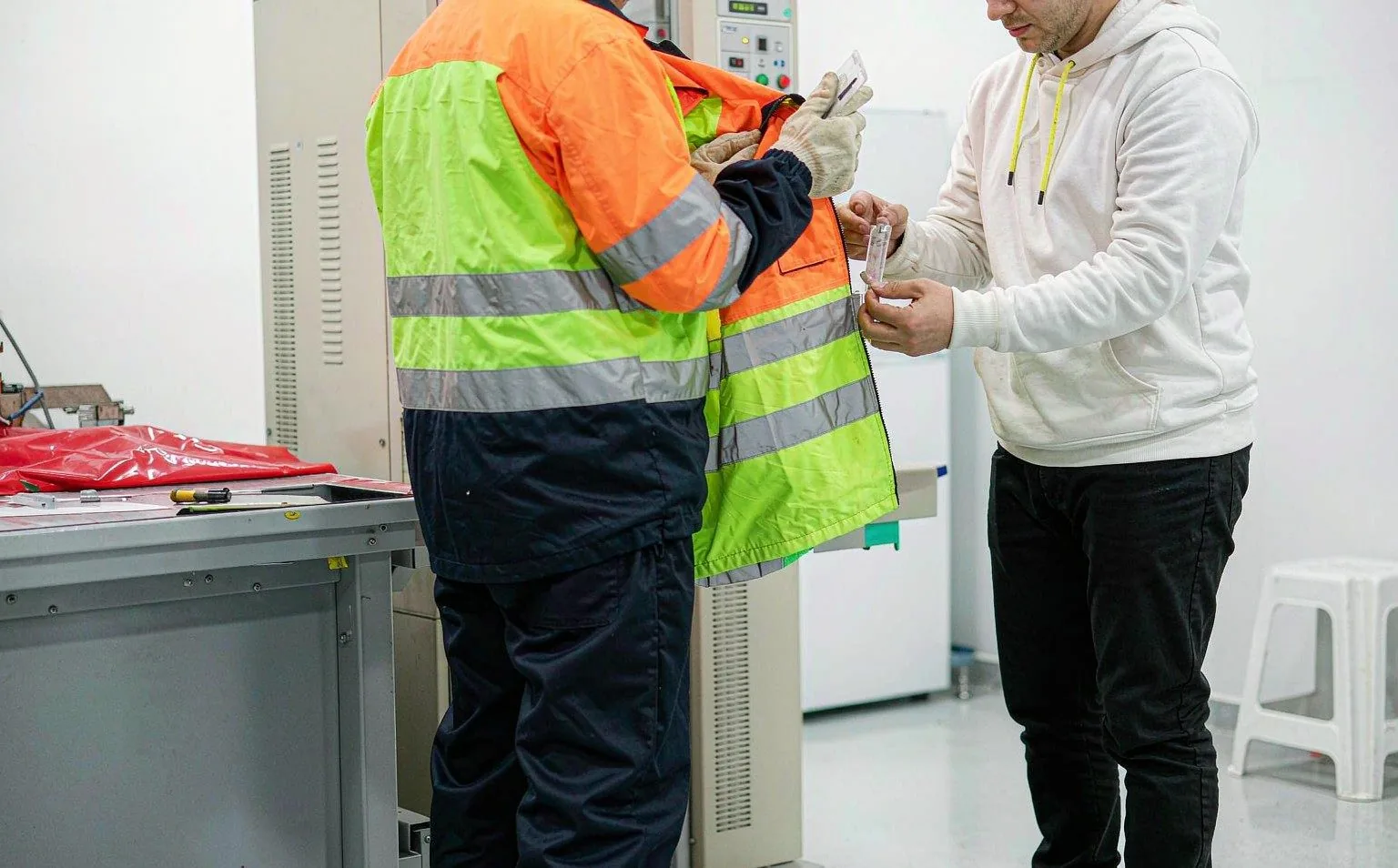
Certified visibility no longer means boxy cuts. Class 3 requirements, tape placement and the 5% logo rule — explained for buyers.
Read the guide →
Recycled fleece and padding options with full traceability — plus the 2026 hi-vis trend toward waterproof, reflective and sustainable workwear.
Read the guide →Trend decks are easy to make; programs that ship are harder. Everything we publish here is cross-checked against what our lines in Tianjin can actually run at 400 pcs per color MOQ — from 3L hardshell jacket lamination and taped-seam construction to EN ISO 20471 certified hi-vis workwear with modern, articulated fits.
Three directions are shaping buyer specs for 2026/27: lighter 3-layer constructions replacing bulky 2L ski shells; compliance-driven workwear where certified visibility and comfortable fits must coexist; and GRS recycled materials moving from marketing story to purchase-order requirement in EU tenders.
Specifying a program around any of these? Our project team turns tech packs into counter-samples in 7–10 days, with ISO 811 hydrostatic head testing and AQL 2.5 final inspection built into the calendar.
Every trend we track maps to a capability we run in-house — so your seasonal buy stays realistic on price, MOQ and lead time:
3L hardshell jacket program →
GRS recycled fleece mid-layer →
EN ISO 20471 hi-vis workwear →
Tour the production system →
For deeper reads, visit our blog & guides — 2L vs 3L construction, EN ISO 20471 Class 3 requirements and the 2026 hi-vis trend report.

Trends travel at different speeds into different markets. From our 2025–26 RFQ stack, here's where European brands, North American brands, and Japan/APAC buyers are pulling — useful framing if you're planning two SKUs against the same season.
European buyers lead with EN ISO 20471 Class 2/3 certification, recycled content % thresholds (GRS / GOTS), and supply-chain traceability. Hi-vis is becoming a sustainable-workwear category rather than a commodity. We see RfQs asking for bluesign®-listed mills and PFAS-free DWR coatings even on entry-tier price points.
US and Canadian outdoor brands push 3-layer constructions with 20K/20K minimums, articulated patterning for athletic body types, helmet-compatible hoods, and powder skirts even at mid-tier. Workwear leans on ANSI/ISEA 107 but with stretch fabric blends that read closer to outdoor than to traditional safety.
APAC buyers want quiet design — low-contrast reflective, earth-tone palettes, ultralight packs that compress small. Fit blocks run slimmer; sleeve lengths trend long. Ski series RfQs from Japan frequently ask for 12K/12K instead of 10K/10K, paired with premium YKK Excella or Aquaguard zips.
Tell us your product, fabric spec and timeline. Our project team replies within 24 hours with sampling and quotation details.